
Memory’s Survivors
All the Light We Cannot SeeThis flow follows how wartime losses persist in objects, habits, and acts of remembrance long after fighting ends.
increasing Bearing strength in each event
 decreasing
Bearing strength in each eventdecreasingObjects Kept in Place
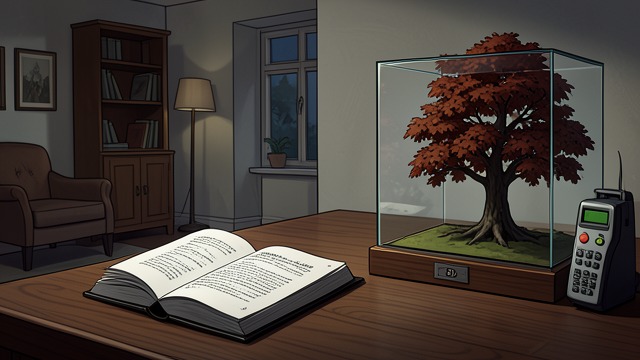
Objects Kept in Place
An imagined return
Marie-Laure leaves behind her Braille book, model, and familiar apartment, hoping the evacuation might prove temporary.
A city held in memory
She remembers the chestnut tree, household sounds, and daily routines as the war makes return uncertain.
The objects she cannot carry become a measure of the home she has lost.
A House of Absence
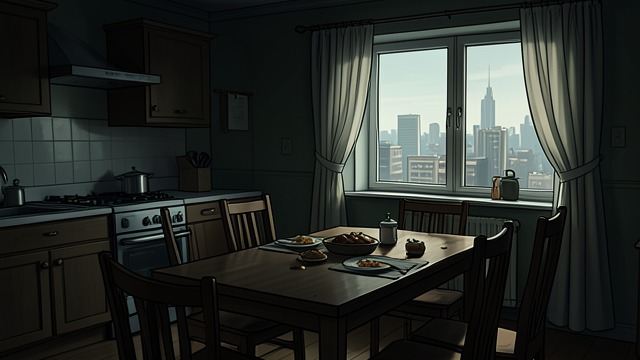
A House of Absence
Waiting
Marie-Laure listens for Daniel’s return and struggles to eat after learning he never arrived back in Paris.
Grief reshapes the house
Etienne and Madame Manec try to care for her, while the rooms and routines increasingly remind her of the missing father.
The household becomes a place where absence is felt as strongly as any presence.
The Notebook of Questions
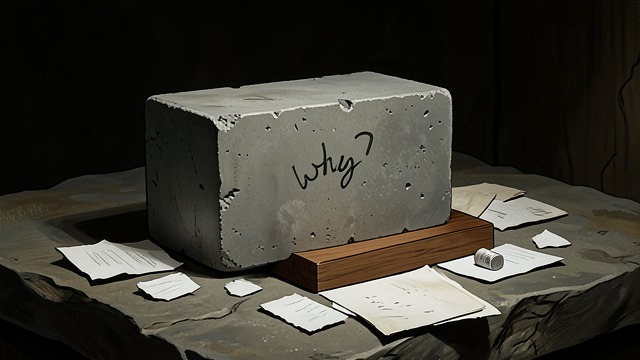
The Notebook of Questions
A boy preserved on paper
Jutta recognizes Werner’s notebook, filled with questions, designs, and plans from before he entered Schulpforta.
A life beyond uniform
Its contents preserve his curiosity in a form untouched by military records or propaganda.
The notebook gives Jutta a way to remember her brother as a child who wanted to understand the world.
Marie-Laure’s Return to Study

Marie-Laure’s Return to Study
Rebuilding a life
Marie-Laure returns to Paris with Etienne, studies, and eventually works at the Museum of Natural History.
Knowledge among losses
She becomes a scientist of mollusks, finding meaning in living creatures even as war memories continue to intrude.
Her professional life is not an escape from grief but a way to remain curious and engaged with the world.
Voices in the Air
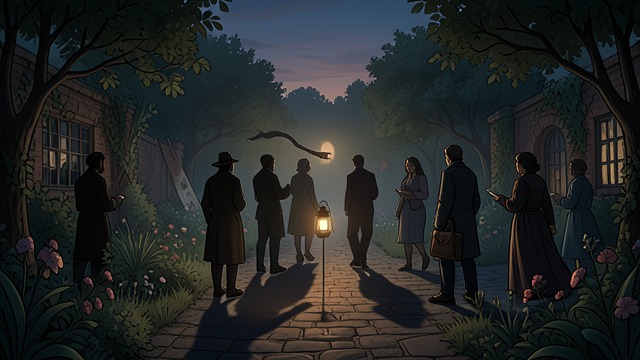
Voices in the Air
A late reflection
In the gardens, Marie-Laure imagines the air filled with the messages and voices of lives already lived.
Memory as transmission
She wonders whether the people she lost continue to travel through the same invisible paths that carry modern communications.
The closing image offers remembrance as a form of continued presence, while acknowledging that survivors themselves eventually disappear.
1940, during Marie-Laure’s departure from Paris
1941 to 1942, after Daniel’s letters grow scarce
1974, when Volkheimer returns Werner’s effects
After 1945, in Paris
2014, during Marie-Laure’s walk with Michel
